Being a descriptive name, the surname “LITTLE” has manifested itself in several distinct groups of people over history. Since genetics is much older than the use of surnames, these genetic categories can leave hints as to where the ancestors of a person named Little may have originated.
Haplogroups (a group of people who share the same characteristic) is what we use to help identify the history of the family involved. In the great tree of mankind, we find Little families who belong to Haplogroups E, J, I, R1a, and R1b. R1b includes more men in western Europe than any of the others, although Haplogroup I is also quite a large percentage.
Haplogroup R1b
Under R1b, there are also distinctive sub-groups. Those are:
- L21- mostly Celtic that originated in central Europe and moved across today’s France and into Ireland and the British Isles.
- U152 which developed and clustered around the Alps.
- U106 – Anglo Saxons and others across northern Germany, the low-countries, and southern Scandanavia.
It was the Britons who gave their name to Britain and were there prior to the Romans’ arrival in the 1st Century. After the withdrawal of the Romans in the 5th Century, the Saxons migrated across the southern kingdoms of the British Isles and the Angles became established in the eastern part of the Island. It was the Angles who eventually gave their name to England.
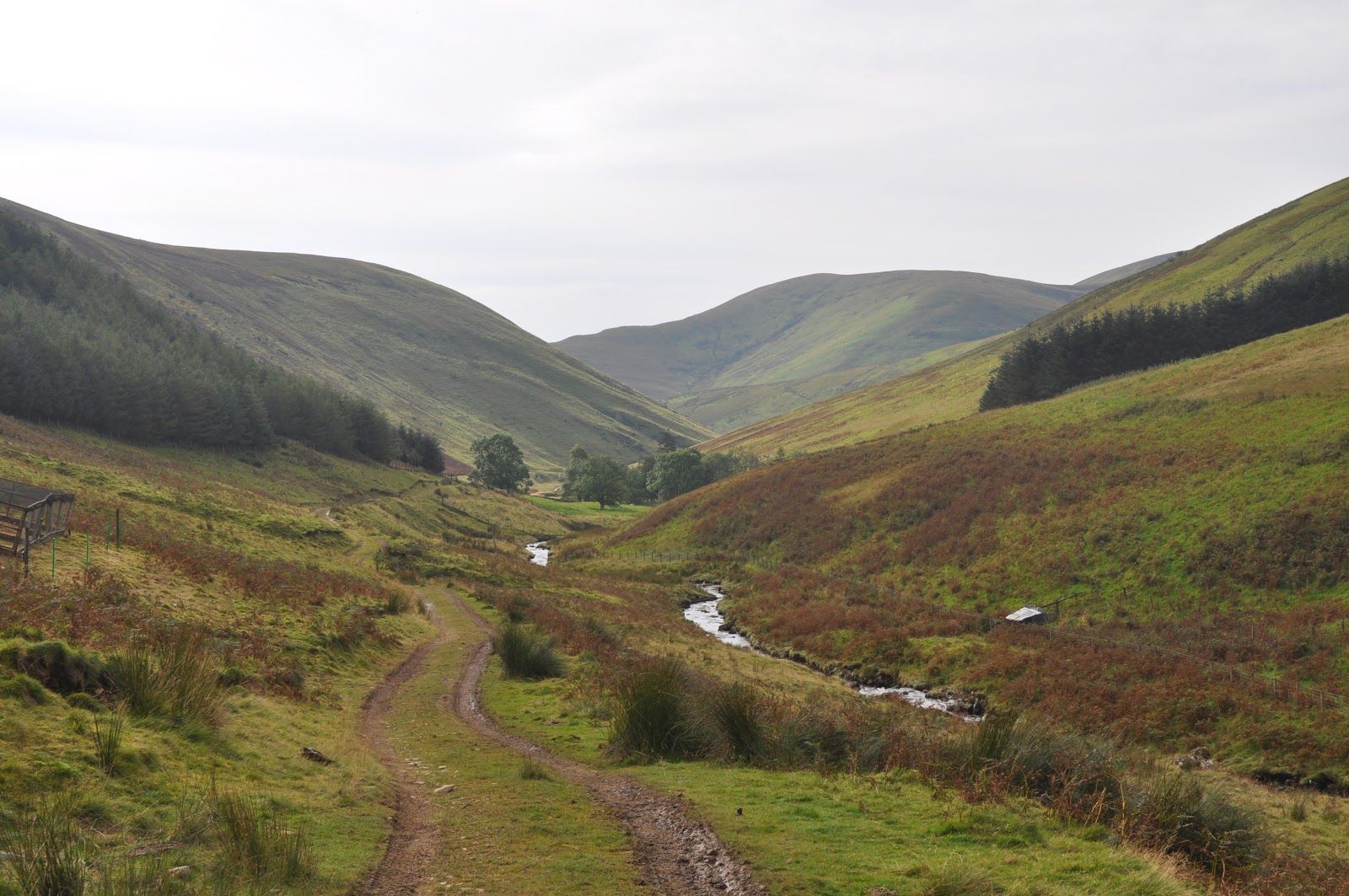
One of the most tested Y-DNA groups, and hence the largest, is the Littles in Scotland. Their Y-DNA falls under L21 and were Celtic Britons or sometimes known as Roman Britons. Today they are most closely related to the Welsh and in medieval times spoke a language called p-celtic. These “Scottish Border Littles” all carry a Y-Chromosome mutation named R1b- Z17299, dating from around 1000 CE.
Haplogroup I
Another larger group of Littles are those from around Wiltshire in southern England. The Wiltshire Littles carry a mutation under Haplogroup I1. They may be Viking in heritage as the Danes invaded the area in the 9th century but they also share a match with a man from the 7th C found in the area who may have also been from a Germanic background, such as Saxon.
R1b-U106
The third largest collection of families fall under R1b-U106. The U106 men were from northern Europe and the lower Rhein, today’s low countries. Many of the Angles and Saxons were R-U106.
A large number of Little men who tested in the USA attribute their earliest ancestor to an Abraham Little who was a very early settler in Colonial Virginia, USA. His ancestors were likely Saxons who moved into southern England in the fifth century, perhaps earlier.
There are also a growing cluster of Little surnames who fall under L48, another and largest branch of the U106 tree. The origins of these ancestors prior to being in Britain is not certain other than the general area of U106.
Other Haplogroups
There are various smaller groups from distinctive genetic backgrounds of which we are aware. One of these is Haplogroup R1a. R1a also formed and spread into northern Europe and Scandanavia. Again, refining these findings are facilitated by men testing their Y-chromosome, but these smaller clusters don’t have as many participants in that regard.
The Little Surname DNA Project at FamilyTreeDNA.com shows more on the topic of of haplogroups for surname Little.
https://www.familytreedna.com/groups/little-klein-cline-kline/about
 Squire, Blacksmith, Collier, Settler